Does White Gold Need Replating and How Often?
White gold engagement rings are a timeless choice, combining elegance with durability. However, owning a white gold ring comes with its own unique maintenance requirements, primarily concerning rhodium plating. If you’re wondering does white gold need replating and how often, this comprehensive guide covers everything you need to know. Along the way, we'll naturally touch on essential aspects of diamond quality, verification, and sizing — things every smart buyer should understand before making a purchase.
Understanding White Gold and Rhodium Plating
White gold is an alloy made by combining pure gold with white metals such as palladium, nickel, or silver. While these alloys give gold a paler color, pure white gold isn’t naturally brilliant white. To achieve the brilliant, reflective finish that most people associate with white gold — especially in white gold engagement rings — a thin layer of rhodium plating is applied.
Why Rhodium Plating Is Important
Rhodium plating offers several benefits:
- Enhances whiteness and shine, giving your ring a luxurious luster.
- Creates a layer of protection against scratches and tarnish.
- Provides a hypoallergenic barrier, especially useful if your alloy contains nickel.
Rhodium belongs to the platinum family of metals and is highly reflective — that's why it’s the finish of choice for white gold jewelry.
Does White Gold Need Replating?
The short answer is yes. Over time, the rhodium plating on white gold wears thin due to everyday activities such as washing hands, exposure to chemicals, or even just regular contact with surfaces. Once the plating fades, the metal underneath — which tends to have a yellowish tint — starts to show.
This is when replating is necessary to restore the ring to its sparkling original look.
How Often Does White Gold Need Replating?
The frequency of replating varies depending on factors such as:
https://hatton-garden-jewellers.co.uk/7-things-to-check-before-buying-a-diamond-ring- Wear habits: Someone wearing their ring daily and using their hands regularly may need replating every 12-18 months.
- Thickness of plating: Some jewelers apply thicker rhodium coatings that last longer.
- Chemical exposure: Contact with chlorine, perfumes, lotions, or cleaning products can accelerate plating loss.
On average, expect to replate your white gold engagement ring every 1 to 2 years for optimal shine and protection.
Where to Get Replating Done
Trusted jewellers like Hatton Garden Jewellers offer professional rhodium replating services. They ensure proper surface preparation and use high-quality rhodium to extend the life of the plating. Always verify whether your jeweller provides a warranty or guarantee on their plating service — this can save you money and hassle.
White Gold Maintenance: More Than Just Replating
Beyond replating, maintaining the overall condition of your white gold engagement ring involves other crucial elements:
- Regular cleaning: Use mild soap, warm water, and a soft brush to keep dirt and oils from dulling the metal.
- Inspections: Periodic professional checks can ensure the settings remain secure and prongs are intact.
- Avoid harsh chemicals: Remove your ring when swimming in chlorinated pools, using cleaning agents, or applying beauty products.
Consistent care prolongs the beauty of both the metal and the diamond centerpiece.
Diamond Quality and Authenticity
Understanding diamond grading is vital, especially when investing in a white gold engagement ring. The famous Four Cs — Cut, Clarity, Color, and Carat weight — guide quality and valuation decisions. However, it’s important not to overemphasize certain aspects at the cost of others.
Why Cut Drives Sparkle More Than Carat
Among the Four Cs, cut has the most significant impact on a diamond’s brilliance and sparkle. A well-cut diamond reflects light internally and externally to create that fire and scintillation that catch the eye.
You can learn more from detailed pages like the GIA diamond quality factor guide, which explains how proportions, symmetry, and polish affect appearance.
Carat vs. Visible Size: What You Need to Know
Carat weight measures a diamond’s mass but doesn’t always translate directly to visual size. Proportions such as diameter and depth influence how large the diamond appears face-up:
- A thin cut: Can look larger but may sacrifice brilliance.
- A deep cut: Might seem smaller but optimizes light return.
When choosing your stone, request measurements from the grading report (always verify the unique laboratory report number in databases to confirm authenticity). This step avoids buyer regret from misleading descriptions.
Shape and Perceived Size
Choosing the diamond shape affects how large the stone appears on your finger:
- Oval, pear, and marquise cuts tend to elongate the finger and make the diamond appear larger than round stones of equal carat weight.
- Round brilliant diamonds maximize sparkle but can appear slightly smaller face-up for the same carat weight.
Your choice should balance style preferences with how you want the diamond to present itself in both size and brilliance.
Checking Lab Reports and Verifying Authenticity
When shopping for a white gold engagement ring with a diamond, always insist on an official grading report from a respected gemological laboratory like the Gemological Institute of America (GIA).
Beware vague claims of stones being "certified" without specified labs. Also, ask for the unique laboratory report number so you can verify the grading online through official databases — a step many buyers neglect but one I always stress during consultations.
Final Thoughts: Balancing Style, Quality, and Care
Investing in a white gold engagement ring involves understanding its maintenance — especially rhodium plating — and appreciating the diamond quality factors that influence appearance and value.
To recap:
- White gold rhodium plating is essential to keep your ring bright and needs replating approximately every 1–2 years.
- Regular cleaning and professional check-ups prolong your ring’s life.
- Focus on diamond cut over carat for maximum sparkle.
- Verify grading reports via lab report numbers to ensure authenticity and value.
- Consider diamond shape effects on perceived size when making your selection.
Whether you browse trusted Hatton Garden Jewellers or verify diamond details using GIA glass-shop tools, taking these steps ensures your white gold ring stays as stunning as the moment you said “yes.”
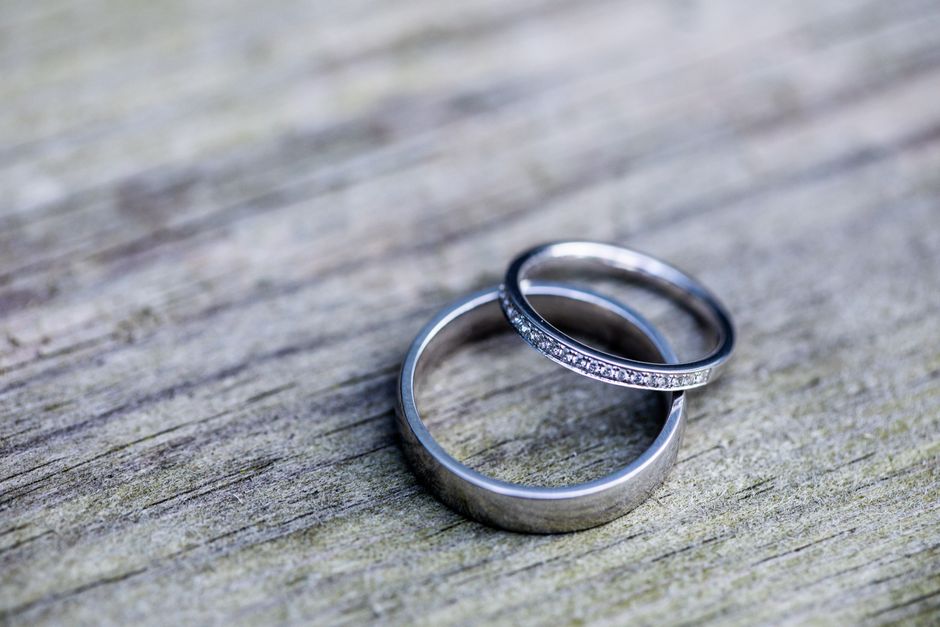
And on a lighter note — don’t confuse your jewellery care with your MRQ mobile casino app habits! Although both require strategy, only one should involve precious metals and sparkling stones.