What Are the Downsides of Made-to-Order Bags Like Frank Clegg?
A made-to-order leather bag can feel like the antidote to disposable accessories: carefully made, chosen to suit your needs, and built from leather that may develop character over time. Brands such as Frank Clegg appeal to shoppers who value traditional construction and a considered buying experience. But made-to-order is not automatically the right choice for every person or every trip to the office.
The trade-offs are practical as well as financial. Lead times can be hard to fit around a deadline, a custom choice can be difficult to undo, and a high price does not by itself tell you how a bag will perform in daily carry. Before you buy, inspect product pages for precise leather descriptions, read warranty pages for understandable terms, and think carefully about how initials are applied. Here are the main downsides to weigh before placing an order.
1. Lead times make impulse buying—and deadline buying—tricky
The most obvious downside is waiting. A made-to-order bag may not be ready to ship immediately, and the time between ordering and delivery can depend on the maker’s workflow, current demand, the specific design, and any custom options. “Made to order” is not a universal promise of a particular delivery date.
That matters if you are buying for a birthday, graduation, work trip, or new job. A delivery estimate can also differ from a guarantee. If the bag is a gift, leave room for production delays, shipping time, and any exchange or correction process if the item arrives with an issue. When the product page does not give a clear estimate, contact the company before you pay rather than planning around a guess.
Planning ahead is the simple fix, but it does not eliminate the uncertainty. If you need a bag by a firm date, an in-stock option may be a safer choice. Ask whether a particular color or configuration is ready to ship, and whether the quoted lead time begins at checkout or after a design detail is approved.
2. Customization can reduce flexibility
Choosing a color, lining, strap, or monogram can make a bag feel personal. The drawback is that a customized order may be harder to return, exchange, or resell than a standard item. Policies vary, so never assume that a bag can be sent back simply because it does not suit you once it arrives.
There is also a decision burden. A buyer may spend more time comparing small options than assessing the basics: capacity, weight, closure, pocket layout, strap adjustment, and how the bag sits when full. Personalization is useful only if the underlying design already works for your routine.
Before ordering, make a short checklist of what the bag must carry and how you will use it. Then choose optional details. A handsome briefcase that cannot comfortably fit your laptop, charger, notebook, and lunch is still the wrong briefcase.
3. “Premium leather” is not a useful leather specification
Leather terminology can be confusing, and broad labels do not tell you everything you need to know. Full-grain leather refers to leather that retains the original grain surface rather than having that surface sanded away. It is often valued for its natural markings and the way it can develop a patina. But the label alone does not guarantee a particular thickness, feel, finish, or level of consistency.
Be cautious when a product page relies on phrases such as “genuine leather,” “luxury leather,” or “premium hide” without explaining the material. “Genuine leather” is a broad category, not a reliable grade ranking. A useful product page should identify the leather more specifically where possible and explain its finish or expected characteristics. It should also set realistic expectations: natural variation in color and markings may be normal, not a defect.
Use product pages as a research tool, not just a place to admire lifestyle photos. Look for the exact leather wording, close-up images, construction details, and care guidance. If the page does not say whether the material is full-grain, ask. Brands such as Von Baer, Saddleback Leather, and Leatherology offer different designs and product descriptions; compare the actual wording and construction details rather than treating any brand name as a substitute for checking the item itself.
4. A beautiful bag may be less practical for daily carry
Traditional leather can be substantial. That can feel reassuring in the hand, but the weight of the empty bag matters when you carry it all day. Add a laptop, water bottle, documents, and daily essentials, and a heavy bag can become uncomfortable. Check the listed dimensions and weight, then compare them with a bag you already use.
Think about the details that influence everyday use:
- Capacity: Does the main compartment fit your actual laptop and accessories, not just a product-page illustration?
- Access: Can you reach your phone, keys, and wallet quickly, or must you open a buckle and rearrange everything?
- Organization: Are there pockets for the items you carry, or will small things collect at the bottom?
- Comfort: Is the strap wide enough, adjustable enough, and comfortable with a full load?
- Weather: What care does the leather need, and are you comfortable protecting it from rain and stains?
Some shoppers enjoy the break-in period and the visible changes that come with use. Others want a bag that is light, low-maintenance, and ready to commute in bad weather. Neither preference is wrong, but the distinction matters. A bag intended for occasional meetings may be a poor choice for a crowded train or a long walk across campus.
5. Top pricing needs to be matched by clear value
Made-to-order leather bags can sit at the top pricing tier, especially when they involve skilled labor, higher-quality materials, and small-batch production. A higher price may reflect those factors, but it is not proof of them. Nor does it guarantee that the bag’s layout, weight, or finish will suit you.
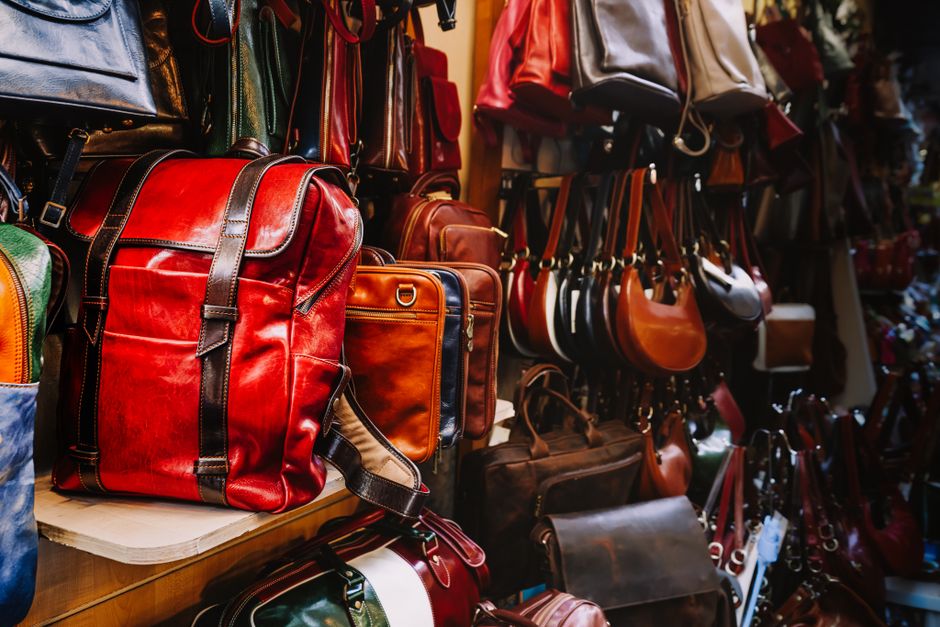
Compare like with like. Check whether the price includes the configuration shown, whether monogramming costs extra, and what shipping or return expenses may apply. Look at the stitching, edge finishing, hardware, lining, and reinforcement points in product photos. For a bag that will be opened and carried daily, the zipper, handle attachment, strap hardware, and bottom panels deserve as much attention as the leather surface.
It is worth asking how the bag is expected to age. Does the maker recommend conditioning? Is the leather designed to show scratches and color changes? Are the edges painted, burnished, or finished another way? These details can help you decide whether the price fits your expectations—not just whether the bag looks impressive on a screen.
6. Warranty language can be less reassuring than it sounds
A warranty is only as useful as its terms. Phrases such as “lifetime warranty” or “built to last” may sound comforting, but they do not explain what is covered, what is excluded, or what happens when a repair is needed. Read warranty pages before ordering, especially when the bag is expensive or made to your specifications.
Look for readable warranty terms that answer practical questions:
- Which components and types of defects are covered?
- Are ordinary wear, accidental damage, stains, or weather damage excluded?
- Does coverage apply to the original purchaser only?
- Who pays for shipping, assessment, or repair?
- Is the remedy a repair, replacement, or another form of resolution?
- How do you start a claim, and what proof of purchase is required?
Warranty terms from different companies are not directly comparable unless you read the details. A clear policy is more useful than a sweeping slogan. Keep your receipt and any order confirmation, and save the warranty page or policy wording available at the time of purchase.
7. Monogramming is personal—and potentially permanent
Initials can turn a bag into a thoughtful gift, but they also make a purchase more personal and sometimes less flexible. Before ordering, ask how the monogram is applied. Is it embossed or debossed into the leather, foil-stamped, printed, or attached in another way? The method affects the look, feel, and how the personalization may age.
Embossing or debossing changes the leather surface, while foil or other surface treatments can be more visible but may wear Extra resources with abrasion and handling. Longevity depends on the method, leather, placement, and how often that area rubs against clothing or other objects. No method should be assumed to last forever without care. Ask the maker what to expect and whether the initials can be repaired or removed if they are damaged.
Double-check the spelling, initials, capitalization, and placement before approving a custom order. If the bag is a gift, make sure the recipient actually likes monograms. A discreet mark inside the bag may be a safer choice than prominent initials on the exterior.
How to decide whether made-to-order is worth it
Made-to-order makes the most sense when you value the maker’s design and construction, can wait, and have confirmed that the bag fits your daily routine. It is less appealing when you need an item quickly, want easy returns, or are still unsure about size and layout.
Question What to check Why it matters Can I wait for it? Current lead times and whether the estimate is firm Avoids disappointment when buying for a deadline What is the leather? Specific grade wording, finish, photos, and care notes Helps separate useful information from vague labels Will it work every day? Weight, dimensions, pockets, closure, and strap comfort Prevents choosing appearance over usability What if something goes wrong? Readable warranty and return terms Clarifies options before you commit Will I still like the personalization? Monogram method, placement, and durability expectations Reduces the risk of an irreversible regretThe bottom line
The downsides of made-to-order bags like those associated with Frank Clegg are not necessarily flaws in the bags themselves. They are the compromises that come with a slower, more deliberate purchase: longer lead times, less flexibility, top pricing, and more responsibility for checking the details before you order. A custom bag can be rewarding, but it should solve a real carrying need—not just look good in a product photo.

Give yourself time to compare product pages, confirm the leather grade rather than relying on vague labels, and read warranty pages for readable terms. Check the bag’s dimensions against your daily load, and ask exactly how initials are applied before you add them. With that homework done—and enough time for planning ahead—you can decide whether made-to-order craftsmanship is worth the wait and cost for the way you actually carry.