Why Are Frank Clegg Bags So Expensive?
Frank Clegg bags sit at the top of the market pricing for leather goods, and the number on the price tag can be startling if you are used to shopping for bags by size alone. The short answer is that you are paying for more than a container with handles: leather selection, skilled labor, construction, finishing, and the cost of making a bag in relatively small quantities all play a part. But a high price is not proof of high quality by itself. The useful question is whether the materials and workmanship justify the cost for the way you will actually use the bag.
That takes a little homework. I check product pages for precise leather descriptions instead of relying on labels like “premium,” and I read warranty pages before deciding that a purchase is built to last. I also look closely at stitching, edge finishing, and how initials are applied. Those details matter especially when a bag is meant to go to work or travel every day—and when it costs enough that replacing it should not be part of the plan.
The leather can account for a meaningful part of the price
Leather is not one uniform material. Its cost and performance depend on factors such as the part of the hide used, how it is tanned and finished, and how consistently it is selected. Full-grain leather generally retains the hide’s natural grain rather than having its surface sanded away to remove marks. That can give it a distinctive appearance and allow it to develop character with use. It can also show natural variation, which is worth knowing if you expect every panel to look perfectly uniform.
“Genuine leather,” by contrast, is a broad label—not a reliable grade or saddleback leather briefcase a promise of a particular construction. It tells you that the material is leather, but does not, by itself, explain what part of the hide was used or how the surface was treated. Similarly, words like “luxury” or “heritage” may describe a brand’s positioning without answering the practical questions a buyer needs answered.
When you inspect a Frank Clegg product page—or any maker’s listing—look for a specific description of the leather. Is it identified as full-grain? Is the tannery or origin stated? Is the finish described? A product page cannot tell you everything about how a hide will age, but clear wording gives you more to evaluate than a string of appealing adjectives. If the grade is missing, ask the company before ordering rather than filling in the blanks yourself.
Full-grain leather is not automatically the right choice for everyone. Some buyers like the way marks and color changes build a personal patina; others prefer a more consistent finish or a bag that requires less attention. A leather bag can also be heavy, and a beautiful hide does not make an inconvenient design practical. The material is one reason for the price, not a substitute for considering the complete bag.
Small-scale production and skilled labor add up
A bag made in a handmade workshop takes time at several stages: cutting panels, assembling the body, sewing seams, attaching handles, fitting hardware, and finishing exposed edges. The exact process varies by model, but careful construction depends on people doing and checking work that a high-volume factory may automate or standardize. Labor costs, smaller production runs, and the time needed to inspect each item can all contribute to a higher retail price.
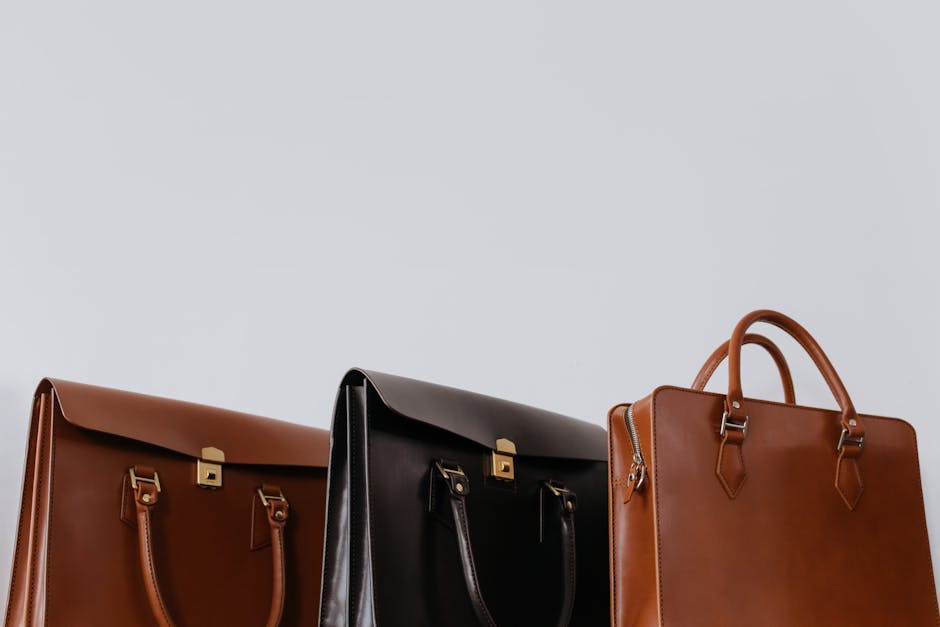
That does not mean every costly bag is handmade, or that a handmade label guarantees flawless execution. It means the claim should be specific enough to help you understand what is being made by hand and where. Product photos can provide clues. Look for even stitching, neat corners, consistent edge finishing, and clean transitions where handles or straps meet the body. Zoom in on the areas that take the most stress, not just the broad, attractive leather panels.
Frank Clegg is often discussed as a maker for buyers who value American leather-goods craftsmanship. Still, production details can differ by product, and “made in” or “handcrafted” language should be checked against the item you are considering. If a bag is made-to-order, confirm what that means: whether it is produced after purchase, whether you can choose options, and how the estimated lead time and return policy apply. Made-to-order can help explain a longer wait, but it does not automatically mean a bag is custom in every respect.

You are paying for a design that has to work in real life
Daily carry practicality is easy to overlook when a product page is showing polished studio photographs. Before buying, picture the things you actually carry: a laptop, charger, notebook, water bottle, keys, and perhaps a lunch container. Then check dimensions, compartment layouts, opening width, closure type, and strap length. A bag can be beautifully made and still be a poor match if it will not fit your laptop or if you have to unpack half its contents to reach your wallet.
Weight matters, too. Leather, solid hardware, and sturdy construction can make a bag feel reassuring in the hand while adding weight on a commute. If you walk long distances or carry a laptop every day, consider how the bag feels when loaded—not merely how it looks when empty. Check whether the handles fit comfortably over your shoulder, whether a shoulder strap is included or optional, and whether the bag’s base is designed to handle repeated use.
These questions help put the price in context. A well-built bag that suits your routine may see years of use; an expensive bag that stays in the closet is not good value, whatever its leather grade. Be especially honest about your habits. If you leave bags in the rain, overload them, or prefer lightweight nylon, a substantial leather carryall may not be the sensible choice.
Warranty terms matter as much as the warranty headline
A warranty can be a meaningful part of the value proposition, but the word itself does not explain what protection you receive. Read the warranty page, not just the product page’s summary. Check the duration, what defects are covered, whether repairs or replacement are offered, and how to start a claim. Look for exclusions involving normal wear, accidental damage, misuse, water exposure, or changes made by a third party.
Pay attention to logistics as well. Does the warranty apply to the original purchaser only? Do you need proof of purchase? Who pays shipping? Is the service limited to the country where the item was bought? Readable warranty terms are a positive sign because they allow you to understand the commitment before paying. They are not a promise that every scratch, stain, or worn edge will be repaired free of charge.
Compare warranty language across brands rather than relying on reputation alone. Companies such as Saddleback Leather and Leatherology are useful points of comparison when you are researching leather bags, but their policies and products are not interchangeable with Frank Clegg’s. Check the current terms for the exact item and purchase channel. A generous-sounding phrase may have important conditions, while a more restrained policy may describe the coverage clearly.
Monogramming is a small detail with long-term consequences
Initials can make a bag feel personal, but the application method affects how they look over time. Before ordering, find out whether the monogram is embossed, debossed, foil-stamped, printed, or applied in another way. Ask where it will appear and whether the chosen leather and finish are suitable for that method. When a product page only says “personalized,” that is not enough information for a permanent customization decision.
Embossing or debossing presses a design into the leather; foil stamping adds a colored layer as part of the process. The appearance and wear will depend on the material, depth, placement, and how often that part of the bag rubs against clothing or other objects. Surface-applied color may show wear differently from a mark pressed into the leather. https://smoothdecorator.com/are-saddleback-leather-bags-too-heavy-for-daily-commuting/ None of these methods should be treated as indestructible, so ask the maker how the mark is expected to age.
Also check whether personalization changes the return or exchange policy. Many makers treat monogrammed items differently from standard-stock products. That is reasonable, but it is better to know before placing the order. If a bag is a gift and you are unsure about the recipient’s initials, placement, or taste, skipping the monogram can be the safer choice.
How Frank Clegg compares with other leather brands
Price comparisons only make sense when the bags are being compared on similar terms: size, leather, construction, hardware, origin, and service. Von Baer, Saddleback Leather, and Leatherology each offer different styles and product ranges, so none is a simple one-to-one substitute for every Frank Clegg model. Their product pages can still help you see how brands describe materials, construction, customization, and intended use.
Use the same checklist for each candidate. If one listing names a leather grade and another uses only “premium leather,” treat that as a difference in available information—not automatic proof that the more specific listing is better made. Compare dimensions and weight, inspect close-up images, and read the warranty pages in full. A lower price may reflect different materials, a different production model, or a simpler design; it does not reveal which explanation applies without further research.
What to compare What to look for Why it matters Leather description Specific grade and finish rather than vague labels Helps you judge the material and what to expect as it ages Construction Close-up views of seams, corners, handles, and edges These are areas that see stress during regular use Daily usability Weight, capacity, compartments, closures, and strap options Even excellent materials cannot fix a poor fit for your routine Warranty Coverage, exclusions, claim steps, and shipping responsibilities Shows what support you can actually expect after purchase Personalization Application method, placement, durability guidance, and return rules Helps prevent a permanent detail from becoming a lasting regretHow to decide whether the price is worth it
A Frank Clegg bag may make sense if you want a substantial leather bag, value workshop craftsmanship, and expect to use the design often enough to appreciate its materials and construction. It may be less compelling if you need a light, weather-resistant commuter bag, want a highly technical layout, or are mainly paying for a name. Expensive does not mean universally practical, and “investment piece” should not be used as a substitute for checking the details.
- Start with the use case. Identify what you will carry, how often, and in what conditions.
- Read the product page closely. Verify dimensions, weight, leather grade wording, and what is included.
- Inspect the workmanship. Look at stitching, edge finishing, hardware, and stress points in the photos.
- Read the warranty page. Understand coverage and exclusions before treating the warranty as part of the value.
- Ask about personalization. Confirm the monogram method, placement, expected wear, and effect on returns.
- Compare like with like. Use brands such as Von Baer, Saddleback Leather, and Leatherology as research comparisons, not as shorthand for identical quality.
The bottom line
Frank Clegg bags are expensive because their pricing reflects a combination of leather, skilled labor, smaller-scale production, and design—not because one feature alone makes the cost inevitable. Full-grain leather can be a meaningful advantage, but only when the description is clear and the bag suits your habits. A handmade workshop can produce careful work, but the seams and edges still deserve a close look. And a warranty adds confidence only when its terms are readable and useful.
Before buying, treat the product page, warranty page, and monogram details as part of the product itself. If the materials are described precisely, the construction looks consistent, the bag works for daily carry, and the service terms meet your expectations, the top of the market pricing may be justifiable. If those answers are hard to find, ask questions—or keep shopping.